
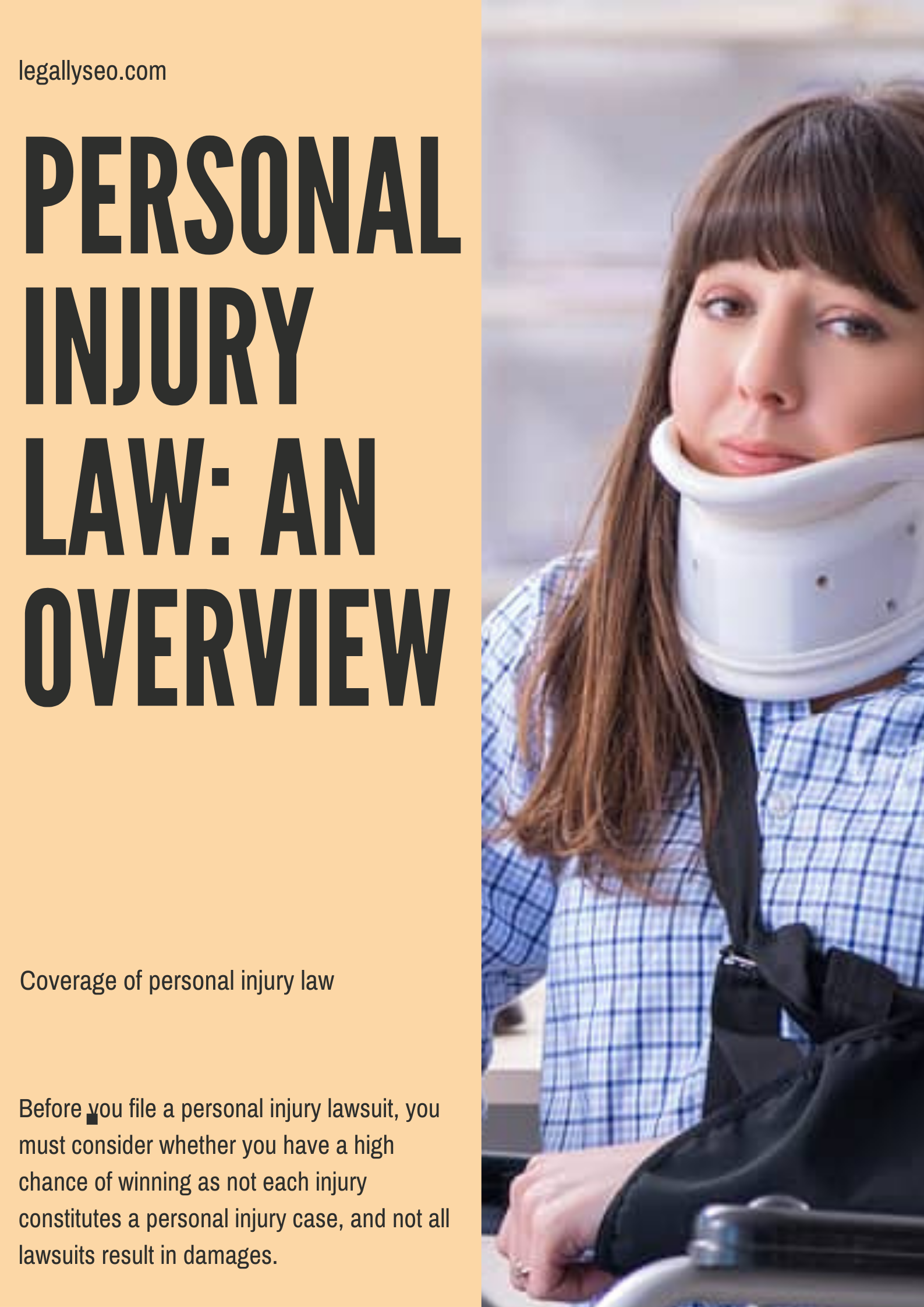
People often come into personal injury cases with grave misconceptions that can lead to personal injury claims being favored on less likely terms or lost entirely. The process of pursuing a personal injury claim is more than just presenting a statement about the injury, how it made you feel and how you expect to recover in damages.
Personal injury law applies to any injury that an entity causes another person with the injury due to intent, negligence, or reckless behavior. An action covered by strict liability is also covered by personal injury law. You may pursue claims to recover damages sustained (from medical bills, lost wages to emotional impairment) when these factors are presented:
- Auto accidents
- Assault
- Battery
- Construction site accidents
- False Accusations
- Slip, trip, and fall (unsafe conditions, liquids, snow, and ice)
- Medical malpractice
- Product Liability
- Police Misconduct
- Infliction of Emotional Distress
- Physical, Mental or Reputational Injury
- Wrongfully caused injury
- Negligence
- Special Situations (Recklessness)
- Intentional Acts
- Defective Products
- Compensable Damage
Before you file a personal injury lawsuit, you must consider whether you have a high chance of winning as not each injury constitutes a personal injury case, and not all lawsuits result in damages. It is because arriving into a settlement may take years in which you may lose more than you can gain.
Coverage of personal injury law
Physical injury
Financial Injury
Intentional acts
You can pursue personal injury claims if someone intentionally harmed you. Cases of assault and battery go into this category.
Damage to reputation
The period determined by a statute of limitations starts when the complainant discovered the injury or sustained the jury. Alternatively, the statute of limitations starts when the injured have become aware of the injury under the “discovery of harm” rule. You must take this opportunity to find a trusted law firm or legal representation to help pursue a case. As you start pursuing the lawsuit you are no longer limited to a timeframe to present your case.
Personal Injury Damage Compensation
Gaining a settlement
A settlement happens if it is clear to all parties involved that the defendant violated a legal duty and the defendant/insurance company may wish to settle outside of court. In return for settlement, the person injured will have a binding promise not to file a lawsuit over the injury. If the plaintiff doesn’t agree to an outside-of-the-court settlement, they may go to court and file a lawsuit. Negotiations can also happen once the lawsuit is filed and settlement can still take place at any time before the civil case is being handed over to the jury.
Finding a personal injury lawyer
Once you found a law firm, ask which lawyer will handle your case. Discuss your case with your prospective lawyer and ask which certain parts of the case the primary lawyer will personally handle and which parts will be handled by a paralegal.
After you’ve walked through your situation to your lawyer, they may give you an overview of the possible compensation. They will also discuss the difficulty of making the insurance company pay that amount. It is the time when you discuss the various ways you want your case to be approached and whether your lawyer will go for the approach you wish. More so, bear in mind that you can change tactics and approach in the middle of the case especially when you want to wrap things up or the cost of taking your case through the lawsuit process eats up your finances.